Subterranean ‘Dwarven’ Cities
Part 4 of the Building Better Futures series: Utopian Cities edition

Hello again!
For those new to the series, check out the Utopian Thesis behind this series, Part 1 which covers why cities are so important to get right, Part 2 which envisions a few city types, and Part 3 delves into ecological ‘elvish’ cities.
This installment focuses on underground cities!
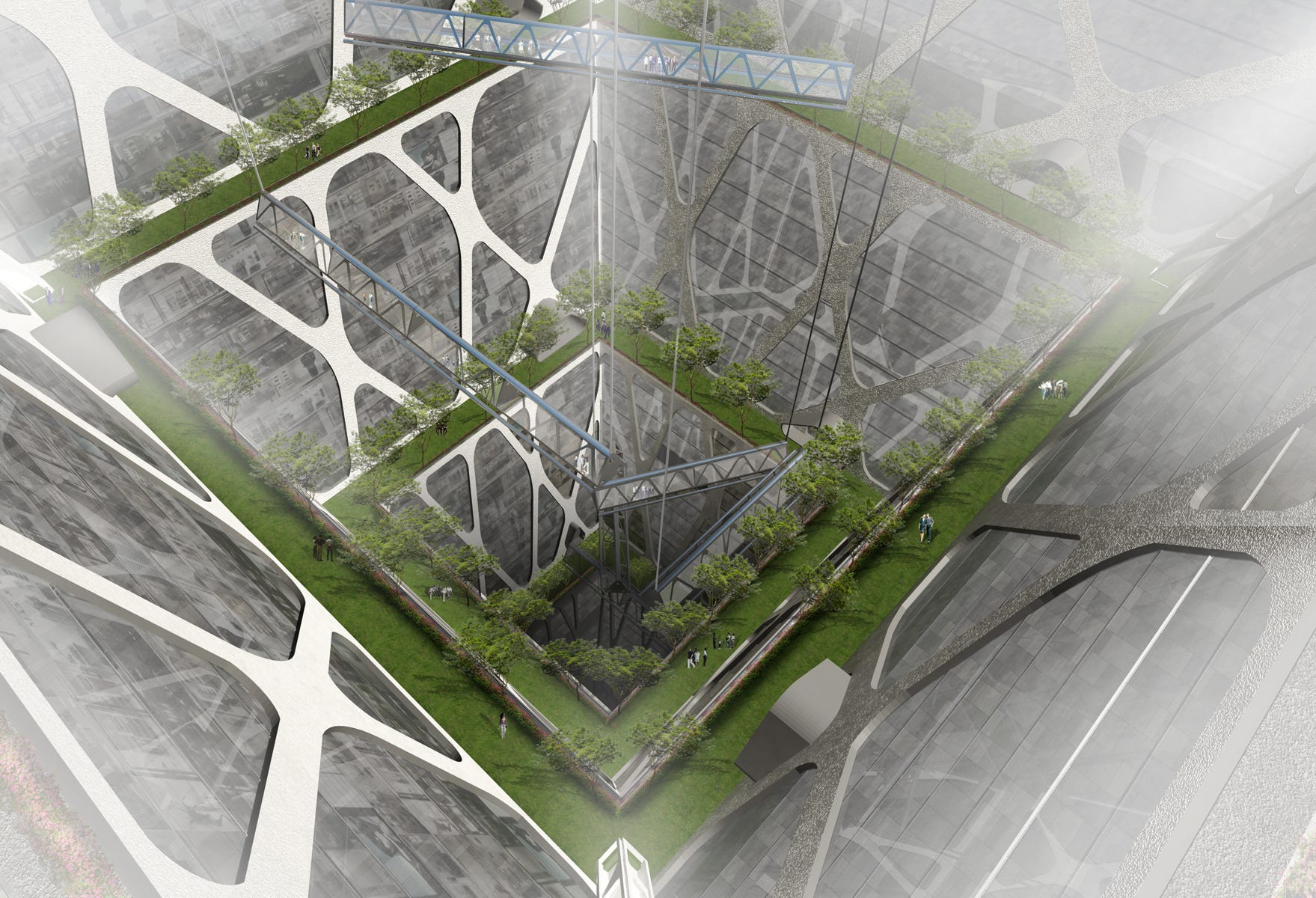
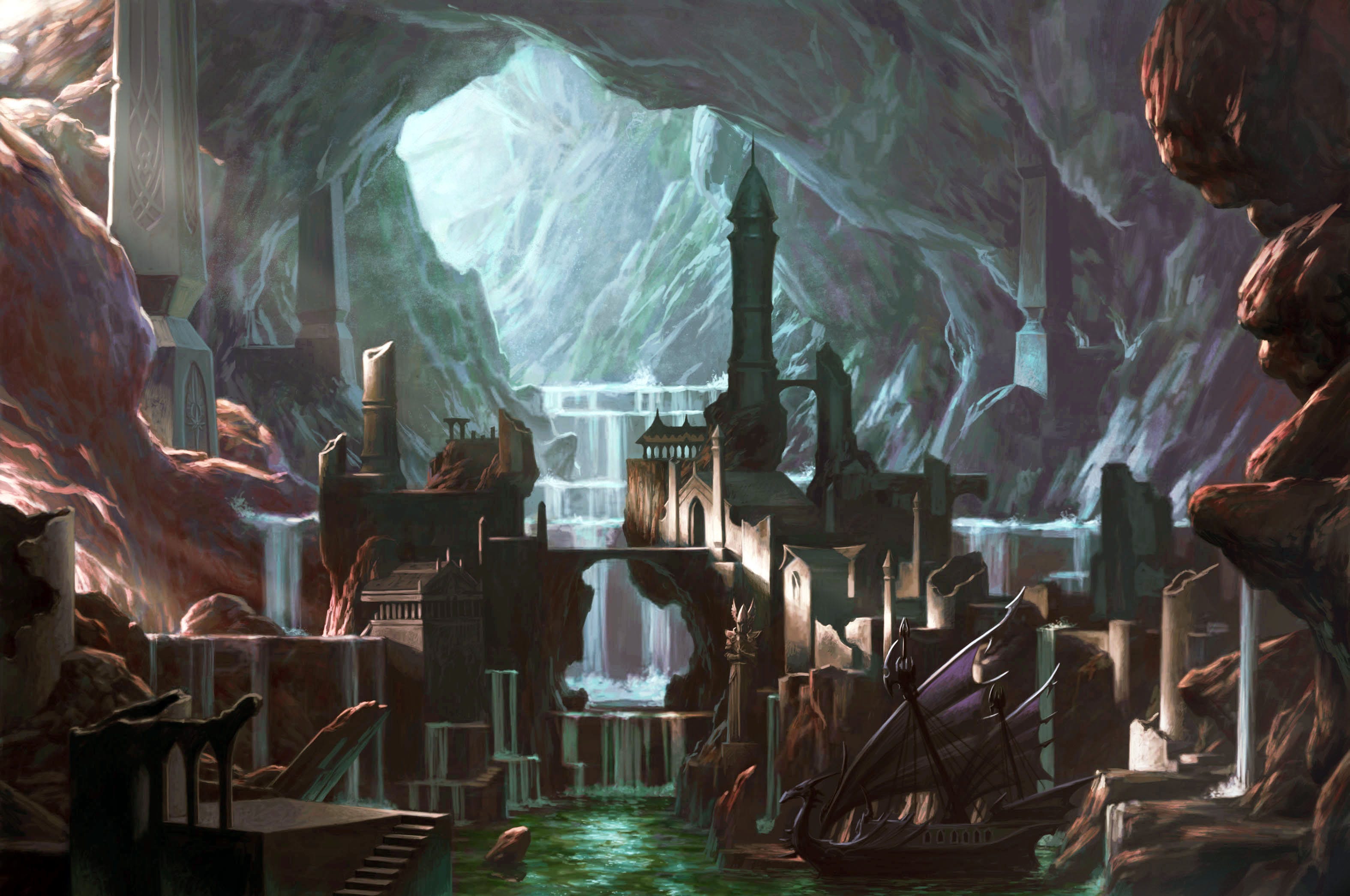
Underground cities shouldn’t just be dark and boring holes in the ground, they can be expansive and well-lit feats of engineering and art.
They can utilize clever ways of letting in natural light and bouncing it around the cave. This can be accomplished via a mixture of creative ways to use everything from large and small openings, reflective materials, geothermal sources, bioluminescent lifeforms, and so on. Let’s drill down on some of these a little deeper.
Outside of organic caves, I imagine the three main types of arrangements for artificial cave structures would be as follows:
Reverse Pyramids
These would be wider at the top (ie the reversed ‘base’) of the pyramid, or better yet: ziggurat, to let in as much light as possible from a giant hole in the ground (ie their sky). And each level would step in closer and closer so as not to be obstructed by the level above. Perhaps most residences would be situated along the north and south sides to maximize sunlight at all times of the day. While the east and west sides could be used for things that don’t need as much light, or don’t need unobstructed light at certain times of day. These cities could have a mix of stairs, vertical as well as diagonal elevators, escalators, cable cars, and even slides/ramps!
(Note! I was trying to find some imagery that I remembered seeing years ago and was not able to find it, but in that process I stumbled across the term ‘earthscraper’ for this very concept! Granted, a lot of those designs go far deeper then I’m proposing here. I think a skycraper is not necessarily the best structure to emulate underground, since skycrapers themselves tend to uphold a hierarchical view of the world… but nonetheless, I wanted to note that people have begun exploring this idea!)
Large Tubes
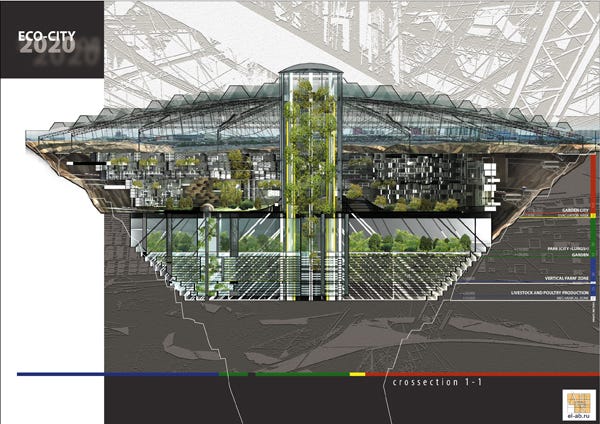
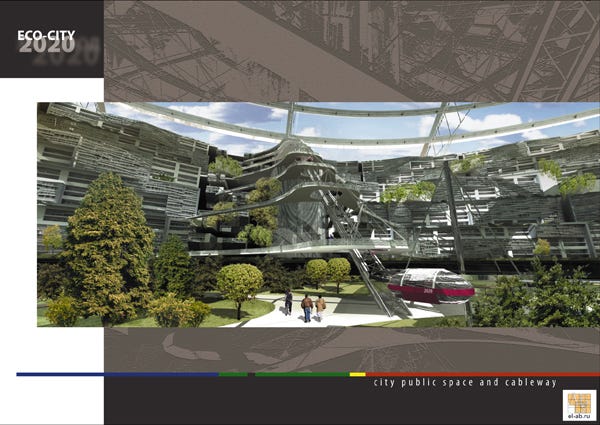
These would have at least two large openings at opposite ends. They allow for a more horizontal city constrained within something like a mountain or old lava tubes or even old valleys. They should be aligned in an East-West direction to maximize light. Perhaps most residences would be around the entrances, while warehouses and things that don’t need much/any light could be in the center. Vertical structures would likely need to be strictly limited to ensure light can reach as deeply as possible.
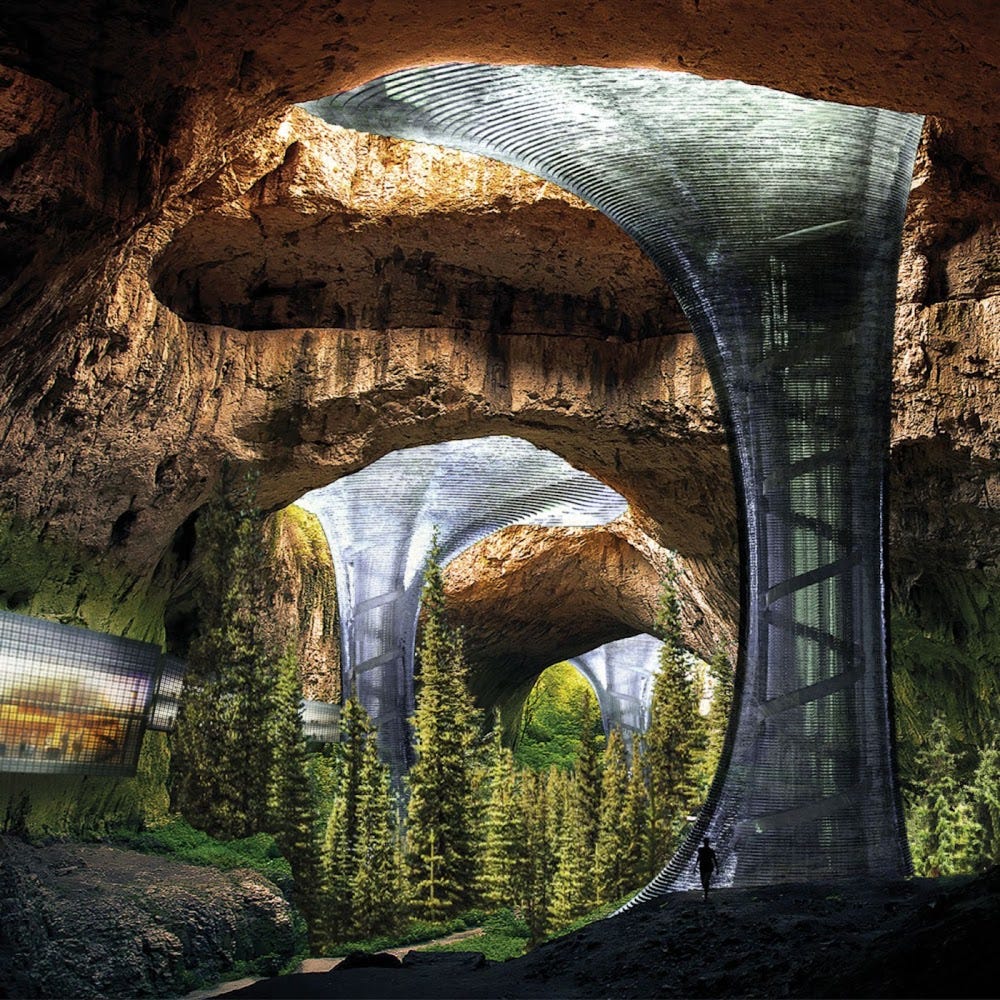
City-sized Caves
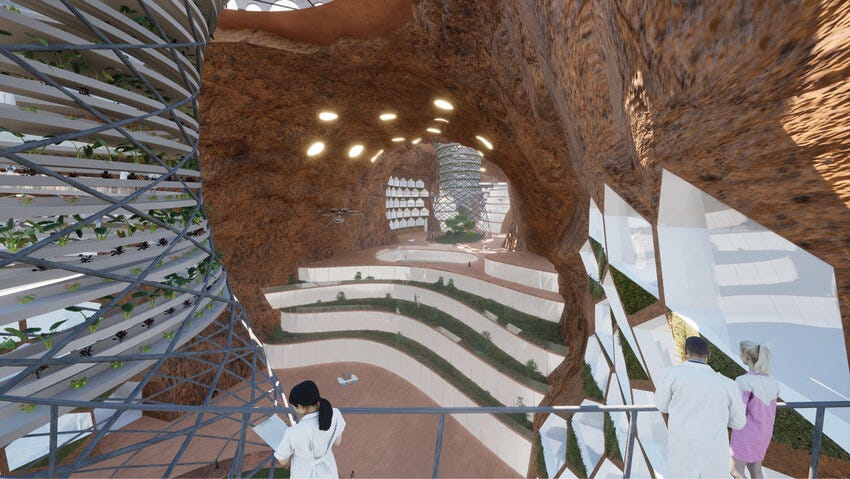
These would have just one large opening along a side, allowing for a more typical city, but once again, the residential type buildings would be situated near the ‘cave’ entrance with the other structures along the back wall. The size and orientation of the opening would be the main design constraint for urban planning.
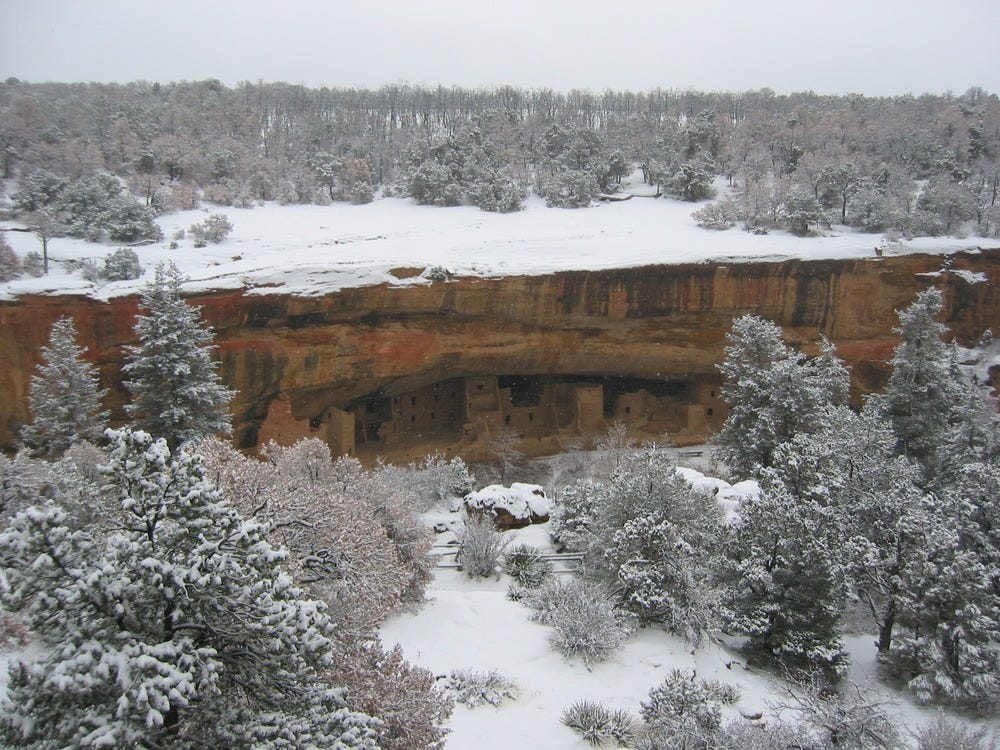
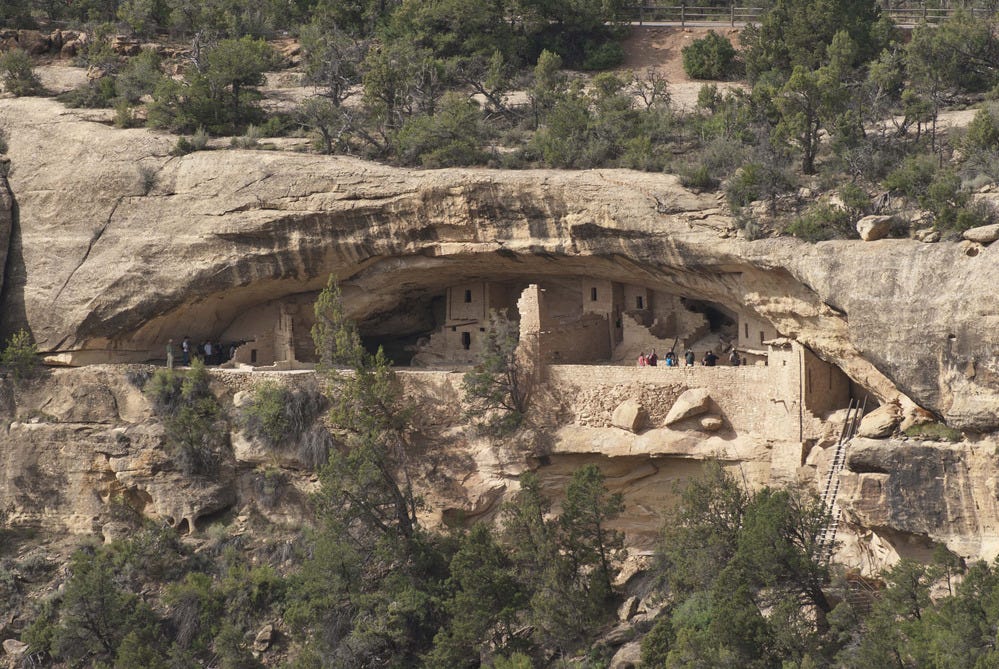
Regardless of the overarching structure of the city/underground environment, there are a number of ‘features’ that would be good for any subterranean city to have. All of these assume some cross-over with ventilation as well.
Ample Light
Underground cities should be built around large openings as the centerpiece and main source of natural light and/or some other method of creating a very well lit environment. They can utilize reflective materials made artificially, or derived from whatever shiny rocks make up their substrate, to bounce light around liberally.
They could also use mirrors, large and small, to make the space feel larger and more open. Such as in alley ways or large dome structures or even windows such that they reflect light and scenic views from above ground all the way into rooms underground.
Perhaps some may even find or grow diamonds and other ‘precious’ gems as unique and artful light fixtures that not just supply light, but cast it in all manner of beautiful ways.
Imagine living in a place where every home can grow crystals that ‘paint’ art pieces with light!
This designing around light could start from the very beginning by creating tunneling technology that ‘glasses’ the wall as it digs, giving the walls an iridescent sheen. Ideally, they could create ways to also rejuvenate the soil as it is dug out; digging in areas where the land has been heavily suffused with chemicals and metals to filter out said impurities. Perhaps even focusing on landfills and coming up with ways to compost, biochar, or otherwise process all that waste into something useful for building structures if it can’t be used for agriculture. But I digress.
People could also utilize a series of smaller holes to add light all throughout, these would have to be strategically chosen to maximize sunlight at different times of day and seasons but minimize the disruption of ecosystems on the surface. Perhaps urban folks would prioritize building cities within mountains, cliffsides, and even arid lands that lend themselves to these perforations. Thus, cities may resemble large termites! They do know a little something about how to create massive underground structures that regulate heat.
Some folks may start by searching out geothermal vents and utilizing flowing lava tubes (or rather magma) as light and heat sources. They’d of course need to figure out how to build near such areas without disturbing said magma. Many of the technologies being developed for space exploration, such as living on the moon or even mars, could first be tested on earth in or near naturally forming large-scale caves deep underground. These include inflatable bases, bio domes, and modular buildings.
When it comes to light, these cities could utilize molten rock as natural ‘mood lamps’ with buildings built or otherwise erected around them as the centerpiece.
A less dangerous option is to foster bioluminescent lifeforms! Whether it be plants, animals, or bugs, underground cities could also create or otherwise grow their light in the form of organic creatures. Plants may be the easiest to manage, with every home and building having walls of glowing plants that light up the space while also cleaning the area of any toxins. However, animals and bugs that glow could be a great way to create a more dynamic environment where you could have specialized channels made for these creatures to move through.
A sufficiently advanced society may be able to accomplish the same thing with artificial lava tubes that could double as trash incineration. Or, perhaps we even create a type of insect/bacteria that can eat our trash while producing odorless bioluminescent byproduct! The point is to be imaginative about how meet the needs of these cities in a way that works with the incredible biocomplexity of the world rather than working against it.
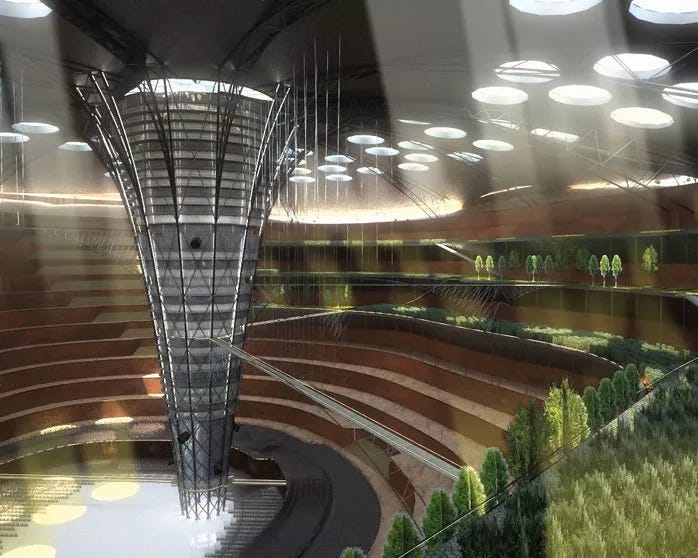
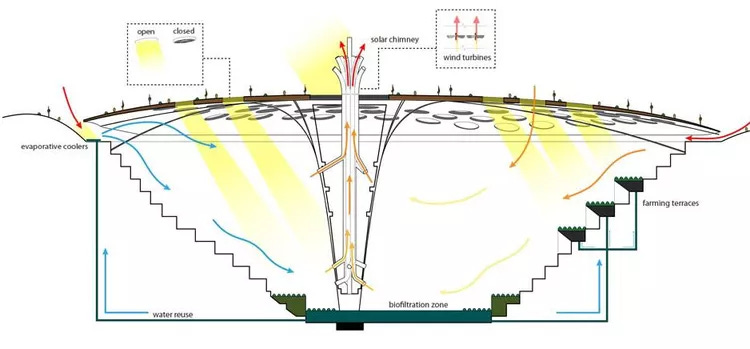
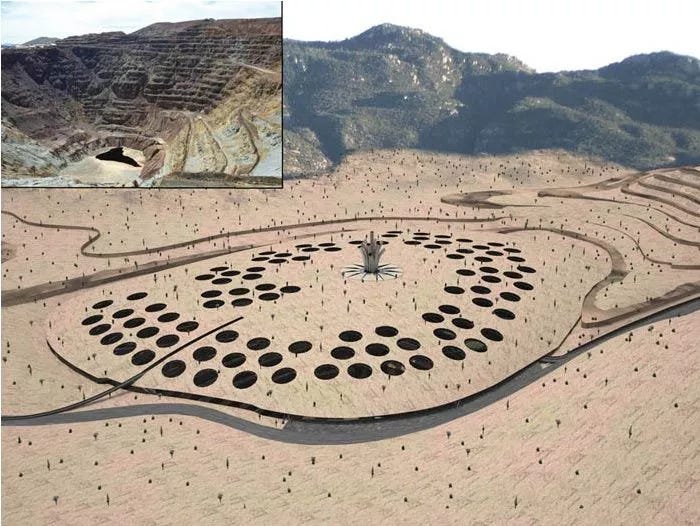
By planning these cities out from the beginning and understanding the importance of a well-lit space, such cities would likely be built to distribute light all around the subterranean landscape. The distribution of this light could itself be a limiting factor on the growth of these cities. If any place cannot equally distribute high-quality light to all denizens and corners of the city, then it should not grow any larger. If their growth will negatively impact the land above it, the existence of aquifers or other underground pools of material that may be a part of some larger system, then it will not grow.
Obviously, this sort of limiting factor must go hand-in-hand with a political and cultural paradigm that prioritizes the wellbeing of all people and life at large above things like ‘profit’, ‘growth’, and the facade of ‘progress’. The whole point in ideating these different ways of living is to show how we can and should use the environments around us as additional constraints and influences on our cultures, technologies, and even institutions of power
Many cities today simply grow carelessly and recklessly in part because of the conceit that all the ‘empty land’ around a city is ripe for exploitation… that there is such a thing as ‘undeveloped land’ that can and should be turned into buildings and roads and parking lots.
If we instead had to build cities in areas that naturally constrain such growth, such as in the sky or underground or on some other barrier that could not be so easily used and pushed passed, then we’d have a harder time justifying and carrying out these cancerous growth patterns.
By building beyond the ground, we could shift and distribute the burden of urban development into places that won’t negatively impact the environment as much, or ideally at all. Just as building an ecological city can encourage us to treat the forests and habitats around us far more conscientiously, building underground can do the same in regards to mycocultures, subterranean life, and even the geology of the earth itself.
Earthquake Management
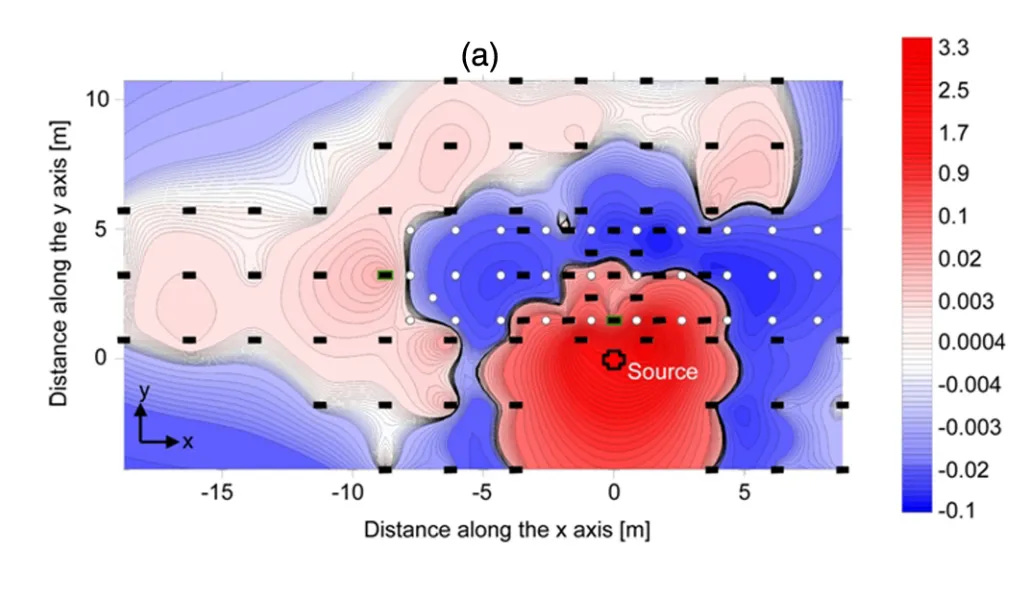
In regards to geology, what if we created a ‘grid’ of boreholes, aquifers, and rockbed foundations that can all work together to help detect and ameliorate earthquakes? Maybe this is the thing that makes you go ‘no way’… but yes way! There are projects to do this even today, and it could be something we utilize more widely to do away with or at least reduce the amount of deaths that can happen from these terrible disasters.
This system is less about trying to control or create earthquakes, and more about understanding how earthquakes propagate and building spaces in the ground that stop, redirect, or weaken those propagation waves.
Perhaps this can be done by building structures that work with the earth instead of against it, such as carving from the stone rather than taking everything out and building in its place. Or by building and protecting aquifers, irrigation channels, and other ‘voids’ that can help absorb the earth’s grumbles.
At the very least, understanding what causes them can stop us from accidentally inducing earthquakes in the process of building underground (which is already a problem in places today doing a lot of building and geologic engineering).
Evacuation Procedures
Regardless of their abilities, they should still be designed with evacuation in mind, ensuring people and creatures can escape quickly and orderly in the case of an unexpected or un-mitigatable geologic upheaval. This likely means an emphasis on mass transit not just internally to get around the city, but also between it and other cities, above or belowground.
I want to reinforce the idea that even though all ‘utopian cities’ should be self-reliant, that does not mean they are isolated!! A huge part of self-reliance among pretty much all lifeforms, especially social ones like us, is knowing when to depend on someone or something else. Thus, we should not only design all cities with the ability to protect itself and its denizens from disaster, natural or otherwise; but also to absorb large numbers of migrants fleeing from disaster, as well as to send people away in times of peril.
Therefore, underground cities should always be connected with other places through a network of tunnels, and perhaps even more creative things like floating bridges across voids/aquifers, hypertube cables that are big enough to shuttle people, evacuation pods that can dig through the earth very quickly, and whatever else people can imagine.
Perhaps multiple underground cities could be networked in giant root-like systems all connecting to massive city-sized artificial trees that themselves stretch up beyond the atmosphere! Therefore allowing people to venture from deep underground all the way to orbitals via ground-to-sky space elevators!
No matter how futuristic these cities may or may not be, the core pillar is not technology… its planning.
City Planning
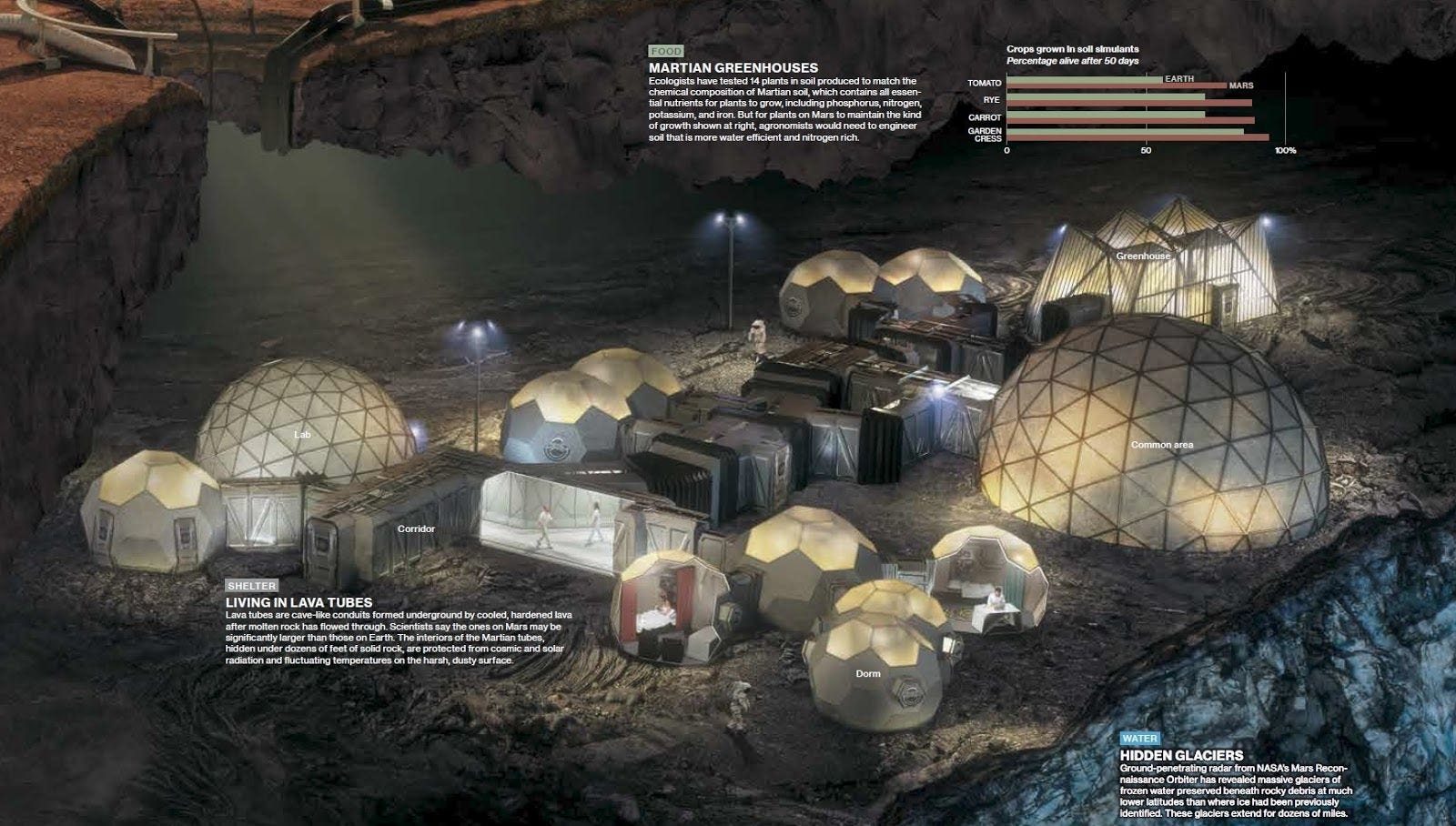
As I mentioned throughout this chapter, and will do so continuously throughout the series, we need to be more strategic when it comes to building our world. And those strategies MUST include more than mere resource exploitation.
City living needs to be tied to city building, and ALL urban dwellers should be able and willing to participate in the building and maintenance of their city.
No more can we just move to a place and be blind to the culture, issues, and needs of that place. No more can we be born into a city and yet be ignored or ignorant (purposefully or otherwise) of its function and foundation.
If we accept this simple idea that every single person who lives in a city (and perhaps even everyone who visits or at least works in said city) should be an active participant in its upkeep, then that means we will have to completely overhaul how we think about city planning and other urban development factors. We can’t just leave it up to urban planners that no-one knows, or to city councils that no one attends, and ESPECIALLY not in the hands of private developers that no one but the ‘elite’ benefit from.
This means we need to develop various procedures, cultures, and technologies that empower everyday people to not just get involved, but to have co-ownership over their cities. Let’s start with the future and the work our way backwards to the present.
In order for any city to be a truly ‘utopian’ city, and not just a dystopia in disguise, we have to recognize that the reason ‘utopia’ gets a bad wrap is precisely because its actually often used as a way for elites to pass down their wet dreams for more power and control as a fantastical dream that the masses should want.
I want to show how we can instead build utopia together by exploring all of our own dreams, ideas, and fears and working together to create something truly beautiful and cooperative.
Anyone that wants to build a city underground will need to understand the various risks, rewards, and other considerations involved. This is not something one or even a few people can do on their own. Not only because of the work involved, but also because of the scope. This is something that can and will affect many other people aboveground as well.
Subsequently, people should be able to do rigorous environmental testing for the following:
Ensuring the making, widening, or shaping of a hole will not harm aboveground environments
What habitats are in the area? How will the construction process impact them? What can be done to mitigate any harm? What are the consequences of building in a high-environmental risk area?
What tools can be used to dig, shape, or move material around in a way that isn’t contributing to the problem? What techniques can be learned or developed?
If people dig where they shouldn’t, what can be done to rejuvenate or otherwise safeguard the environment from further harm?
Inventorying water tables, soil porosity and health, bedrock hardness and type, potential fault lines, subterraneous life, and other things below-ground
What exists underground? How do these underground processes/habitats relate to other places beyond the potential site? What are the upstream and downstream effects of building a city here?
How much usage can the local water table support in addition to its current role in the ecosystem? How can the city steward the health of the water table?
How will the city support or harm these aforementioned lifeforms and habitats? How can the city foster more life and geologic structure than it may potentially impact?
Ideally, people would choose sites that are already inhospitable to life, such as mining operations, natural large sink holes and desolate caves, or even factory sites that have already degraded the ground beyond repair.
Disaster planning
What are the potential disasters that can happen here? Floods, gasses, heat, quakes, volcanoes, etc? How to deal with them?
How can the city detect potential leaks and other disasters as quickly as possible?
What are the evacuation plans (including paths, means, safety zones, etc), and how can they be regularly practiced and updated?
What are the disaster-relief plans? If/when disaster strikes, how to find and help people stuck? How to recover afterwards?
Resource management
How should extraction of any resources be managed? Who gets to decide what gets extracted, and how much? How is extraction balanced with regeneration?
What gets counted as a ‘resource’ and how is it measured, understood, used, and dealt with once expended?
How is food produced? What local ‘resources’ can be used as food? How are growing seasons handled? Are they completely artificial through the use of greenhouses or also tied to the sources of natural light? How can food production be maximized with minimal negative externalities?
Regenerative practices
What can be done to heal, cure, or otherwise replenish and support the earth? What aquifers can be refilled and how? What soil can be cleaned and how? What trash dumps can be sorted through and processed?
For cities built along coasts, how can they be used to repair coral reefs, beaches, and perhaps even act as levies and channel water from rising ocean levels into struggling water tables?
For cities built far in land, how can they aerate and green dried-out, arid landscapes?

These are just some of the many things people will have to know, or at least have easy and hard-to-miss access to this information. Perhaps even social requirements to participate in regular planning sessions (and dedicated time towards that). Perhaps there could be games made where young people (or older) can explore these complexities in a fun and engaging way.
Before, during, and after development, cities could have websites, apps, noticeboards, and digital billboards where people can contribute any concerns that they have, can see testing results in easy-to-read reports with engaging graphics, and can even learn how to do their own testing and such.
There should be regular public meetings that take place at convenient times where people will actually felt heard, and there should be public spaces where people can just hang out and passively absorb the vibes of the city. This is how a healthy culture of civic participation is built and maintained.
Hence why the very limitations and risks of living in an underground city would need to develop a culture of structured, forward thinking and cautious people. Failure means the death of hundreds or even thousands of people and complete destruction of countless habitats around them. Lifestyles will be molded by the very design of these cities, influencing what people value.
Ideally, they would develop an egalitarian society where everyone will be able to directly participate in planning; where each person’s needs and desires are just as important as any other. If not, it will no longer be utopian… just another dystopic pit of poverty and discrimination.
In a utopic world, people will still fight over differences in perspective. But without authoritarian power to force one perspective over others, then said fights will have to be inherently diplomatic and truly conversational in nature. Without a centralized government, corporation, or other organization to enforce or coerce a specific outcome, then people will have to actually work together to get things done. People will have to negotiate and communicate in productive ways. People will have to practice decision-making and conflict resolution regularly as a part of life, rather than offload that responsibility and power onto people who will inevitably abuse that power and shirk those responsibilities.
I invite you to share your own ideas on how you think underground cities could work! If you want to develop stories, games, and worlds with these ideas, please let me know! I’d LOVE to help worldbuild with you.
Gaining Perspective
Hopefully, you can see the critical importance of having high levels of planning, foresight, and care in order to create a truly utopian city.
But I didn’t share this example just to imagine some far-future concept, underground cities are already happening today with things like Underground Atlanta, Kansa City SubTropolis, Underground Urbanism in Helsinki, and Singapore’s Underground Masterplan.
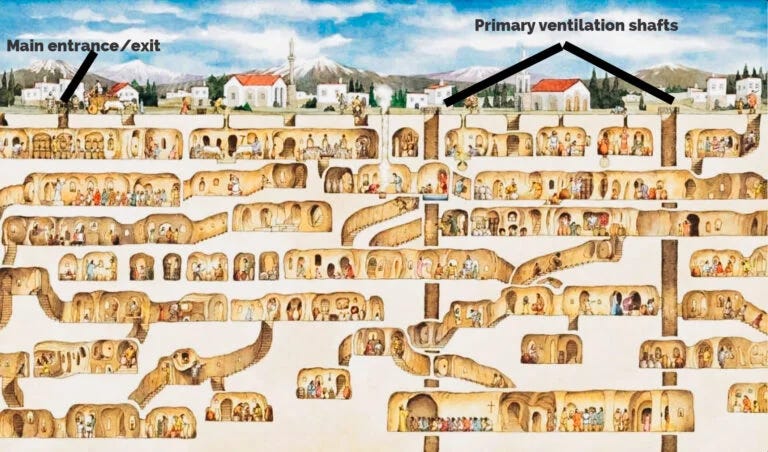
In fact, there is a rich history dating back thousands of years of what seems to be dozens of underground cities in Turkey, such as this one that could fit ~20,000 people!
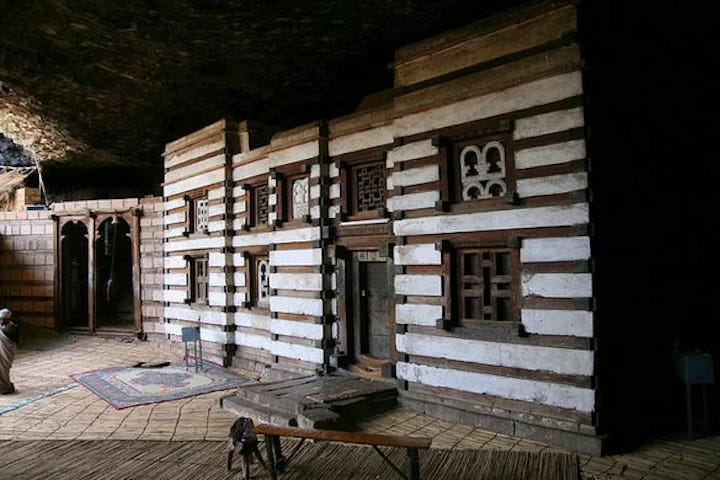
As well as across Lalibela, Ethiopia and many more.
Beyond all of that though, I really wanted to open you up to the idea that cities in general require a LOT of planning!
Most of us take the existence of our own present-day cities for granted, never thinking about any of the aforementioned considerations even though our cities today are just as complex.
Our cities already desperately need this level of planning and more! The sheer scale of environmental impact alone that every single city has demands a better approach than the largely centralized and privatized method we have today. This does not mean we should not have or listen to experts. Even today, urban planning experts are themselves not given much authority! They are often merely giving information to private developers, lobbyists, and other people in power to use, manipulate, or discard said plans at will.
We need to develop forums where experts can actually be in communion with the public; so they can share the aforementioned considerations, and in turn directly hear the concerns of everyday people (rather than only ever consider the ‘concerns’ of the rich and powerful). As more people get more organically educated and aware on all the various complexities of their city, this relationship can become more peer-to-peer rather than top-down or extractive. There will always be specialists, but does not and should not mean we should absolve ourselves from ever interacting with specialists. Specialization does not mean monopolization of power or knowledge. It just means having the capacity and inclination for delving deeper. That knowledge you delved for should then be shared as widely as possible.
Similarly, we should consider delving deeper into our planet in order to better understand our environment, and better distribute that understanding in a more holistic, equitable way.
As much as I’ve championed the cause for a highly-planned approach, that does not mean that is the only way to develop utopian cities either! As I mentioned before, the core focus here is about egalitarian participation. Though some of amount of planning will likely always be necessary in some way, I do believe there is a future for a more fluid and spontaneous approach as well.
In the next and final deep dive into utopian cities, I will present another way of thinking about cities that will explore some possibilities for unplanned urbanism.
CALL FOR HELP!
It takes quite a bit of time to write all of this, and a surprisingly decent amount of time to then find images that are not AI to provide some realistic and artful visuals.
I would LOVE to create my own visuals and/or to do more research to find all the amazing things people have already created for each of the ideas I am writing about. I also want to turn all of this into podcasts, videos, games, and other media.
If you are willing and able to help, I’d highly appreciate it!
Here are some of specific skills I need, but I am open to anyone who is interested and cool to work with:
Editors
Audio engineers
Videographers
Animators
Visual Artists
Musicians
Game designers
Developers
Experts of any field open to interviews
Everyday people open to interviews
Funding
I don’t have monies to spend right now, and I really want to create spaces where money is not the main way to get things done. So, I’m hoping to exchange services.
Here’s what I can offer:
UX Design services
Documentation services
Idea generation and/or critique
Worldbuilding
Advice on how to build (real) community (from my own experiences)
Writing services
Collabs on your content/projects
Resources I find, especially in Atlanta
Accountability partner
Potential community (starting with a shared chatroom for folks like us)
Physical hangouts (if we vibe)
Potential friendship (if we really vibe!)
See you next time!